The Rise of the 'Ultra-Luxury' Corridor: How MTHL is Redefining MMR Wealth
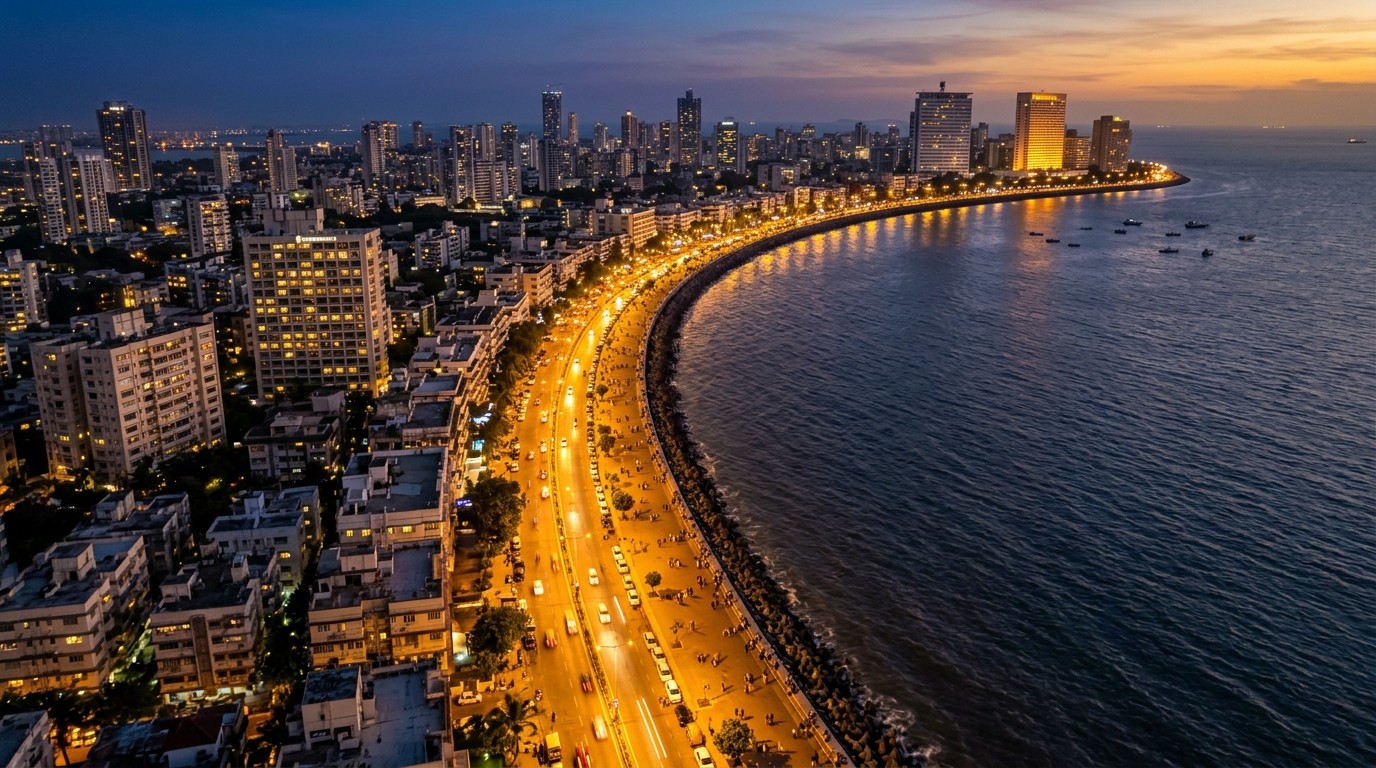
The Atal Setu Impact
The inauguration of the Mumbai Trans Harbour Link (MTHL) has fundamentally altered the geography of luxury real estate in the Mumbai Metropolitan Region (MMR). By slashing travel time between South Mumbai and the Navi Mumbai/Raigad belt to under 30 minutes, the project has effectively expanded the boundaries of the 'premium' market.
Shifting Investment Patterns
Investors are no longer tethered to the congested pockets of South Mumbai or Bandra. We are witnessing a distinct migration of high-net-worth individuals (HNIs) toward the Ulwe and Panvel micro-markets. Key drivers include:
- Land Availability: Large, contiguous land parcels allowing for integrated township developments that are impossible in the island city.
- Infrastructure Synergy: Proximity to the upcoming Navi Mumbai International Airport is creating a dual-growth engine for property appreciation.
- Lifestyle Shifts: Demand for low-density, gated communities with expansive amenities is outstripping interest in cramped vertical luxury in the city center.
The Price Escalation Cycle
Data from the last two quarters indicates a 15-22% appreciation in capital values for premium projects within a 10km radius of the Atal Setu entry points. Developers are capitalizing on this by launching 'ultra-luxury' segments that feature private elevators, helipad access, and concierge services—features previously reserved for the Worli-Prabhadevi skyline.
MNRE Market Takeaway
The MTHL isn't just a transport project; it is a wealth-redistribution mechanism for real estate. Investors should look beyond the hype and focus on projects with clear land titles and proximity to the bridge’s arterial exits. Long-term appreciation prospects in this belt currently outperform the stagnant yields seen in older, saturated micro-markets.
Looking for Verified Properties in Mumbai?
Explore curated listings with verified RERA documentation and current market pricing.